Tera Restoration Group Middletown Kenilworth
Kenilworth โ€ข NJ

Mold Remediation in Kenilworth.

Post-remediation clearance testing matters as much as the remediation itself. Our protocol documents both, so you can prove the property is restored.

Local team in Kenilworth Honest, transparent pricing 24/7 emergency line
โ˜…
Same Crew Mitigation team finishes the rebuild
โ˜…
Real Dispatch Human answers in NJ
โ˜…
IICRC-Standard S500 / S520 / S700 protocols
Service Overview

How We Approach It

Visible mold growth on a wall or ceiling is rarely the whole problem โ€” fungal growth typically extends into wall cavities, behind baseboards, and inside HVAC ducts that were exposed to the same moisture. Our scope covers what is visible PLUS what is hidden.

What's Included

  • IICRC S520 protocol
  • Negative-air containment
  • HEPA filtration
  • Source removal to documented line
  • Antimicrobial application
  • Optional 3rd-party clearance testing

Containment + Hepa Filtration โ€” Why the Plastic Sheeting Matters

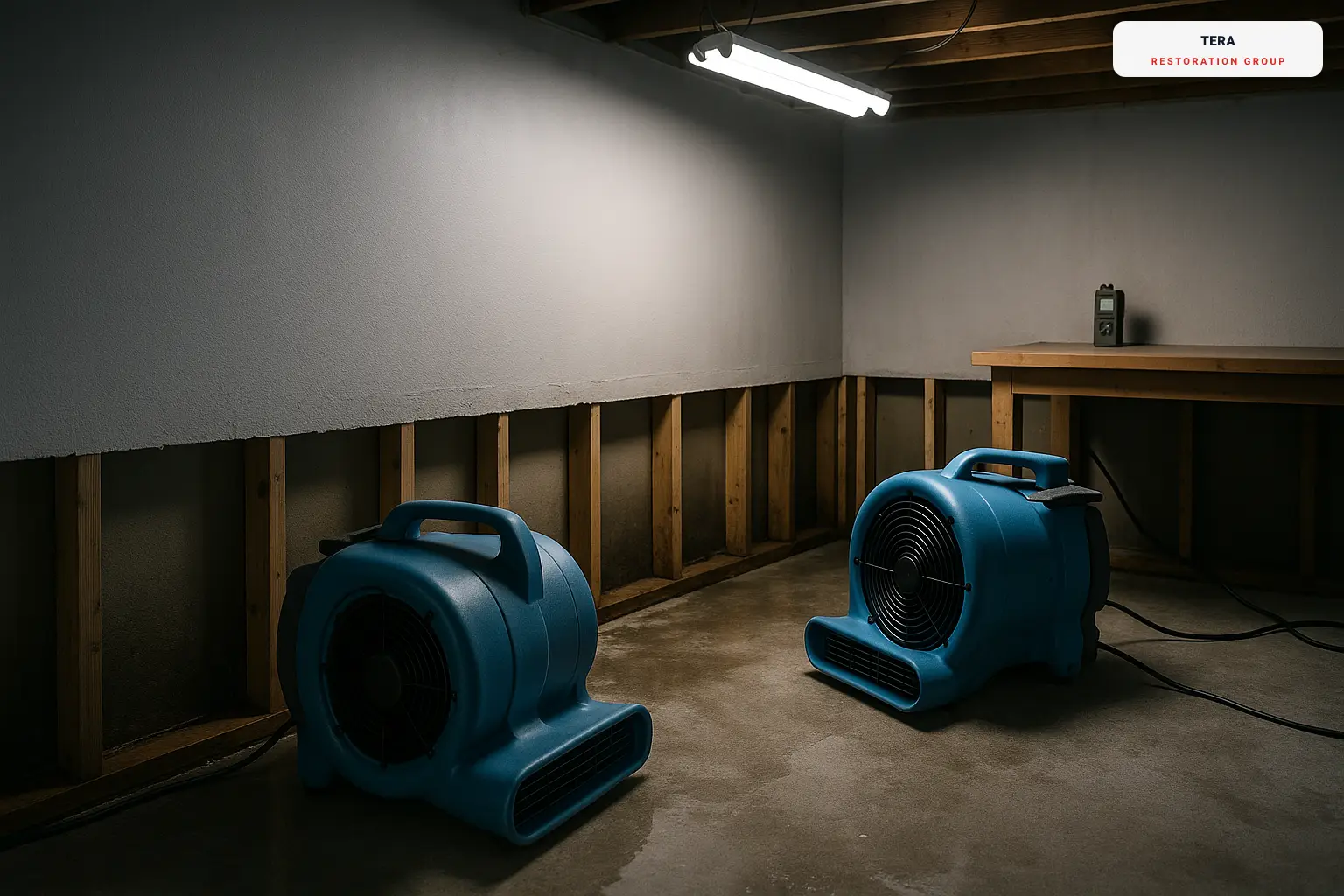
If you walk into a mold remediation job and the contractor is not running HEPA-filtered negative-air containment, walk back out and call someone else. Disturbing mold growth releases millions of spores into the air. Without containment, those spores spread throughout the rest of the property โ€” turning a contained 200 sqft mold problem into a whole-house contamination event.

Proper containment: 6-mil plastic sheeting + zip-wall framing creates a sealed barrier between the affected area and the rest of the structure. HEPA-filtered air scrubbers run inside the containment to capture airborne spores during the work. Negative-air pressure differential (containment is at lower pressure than the rest of the structure) means any air leakage flows INTO the containment rather than out. PPE for the techs: Tyvek suits, respirators with P100 cartridges, gloves, foot covers.

This setup adds equipment cost and labor time to a remediation job, which is why fly-by-night operators skip it. The cost difference shows up later โ€” when the contamination has spread to areas it was not in before, and the second remediation is 3-5x the first.

Source Moisture: the Step Most Cleanups Skip

Mold needs three things to grow: moisture, organic material, and time. Organic material is everywhere in a building (drywall, wood, dust). Time is unavoidable. The only variable a remediator controls is moisture. If the source moisture is not eliminated, the mold returns regardless of how thoroughly the cleanup was performed.

Common moisture sources in Kenilworth properties: roof leaks (intermittent โ€” only during rain events, easy to miss), plumbing leaks (slow drips behind walls, often discovered only when staining or odor appears), foundation seepage (basement water during heavy rain), HVAC condensate failures (drain pan overflow, frozen evaporator coil melt), inadequate bathroom ventilation (chronic high humidity in poorly-vented bathrooms), and ground-water infiltration in below-grade spaces.

Our scope-of-work for any mold remediation includes a source-moisture investigation as phase one. If the source is a plumbing leak, we coordinate with a plumber to repair before remediation. If it is a roof leak, the roof gets repaired first. If it is HVAC, the HVAC tech gets involved. Skipping this step guarantees the mold returns. We do not skip it.

Process

Our Process

  1. 01

    Free On-site Assessment

    No-cost emergency response and scope evaluation. We get there fast, document what we find, and give an honest read on the loss in plain language.

  2. 02

    Open the Claim Together

    We help you frame the cause-of-loss accurately so the right policy applies. Bring your claim number on the first call and we can talk to the adjuster directly.

  3. 03

    Insurance-ready Scope

    Xactimate scope at carrier-standard pricing for NJ. Adjusters approve our scopes without back-and-forth because the line items match the documented conditions.

  4. 04

    Mitigation + Documentation

    Daily moisture logs, equipment runtime records, photo documentation throughout. The full record goes to the carrier so the claim closes cleanly.

  5. 05

    Reconstruction

    Same crew handles the rebuild. Drywall, flooring, paint, cabinetry, specialty trades. One contract from start to finish.

The difference

Why Customers Choose Us

Real reasons. No invented stats, no manufactured awards.

  • 01
    โœ“

    IICRC Standards, No Shortcuts

    S500 for water, S520 for mold, S700 for fire. We follow the protocols because they are the only approaches that produce work that holds up. Adjusters approve our scopes; insurance closes our claims.

  • 02
    โœ“

    Fast Where It Matters

    Sub-60-minute response to active losses across Union County. Pre-staged equipment for known surge periods. The first hour is what determines the eventual claim size โ€” we get there fast and we are equipped on arrival.

  • 03
    โœ“

    Honest Cause-Of-Loss Documentation

    Sudden vs gradual, wind vs flood, supply line vs sewer โ€” the framing determines coverage. We document accurately so the right policy pays the right portion. No inflating, no understating.

Service Area

Serving Union County

Our Kenilworth crew dispatches across Union County reaching Cranford, Roselle Park, Union, and Roselle typically in 20-40 minutes. Outside that footprint? Call us anyway โ€” we will tell you straight whether we can be there fast enough to be useful or whether you should call somebody closer.

Counties Covered

  • Union County, NJ

Cities We Service

Each Union city below opens a local page with arrival times from our Kenilworth base and the loss patterns we handle most often in that municipality.

Not sure if you're in our area? Call 908-560-5325 and we'll tell you in 30 seconds.
FAQ

Frequently Asked Questions

If you don't see your question, just call or message us.

Will my floors and walls have to come out? +

Often less than people expect. Category-1 (clean supply-line) water that we reach inside 24-48 hours can usually be dried in place. Category-3 (sewage, river, ground intrusion) is different โ€” IICRC S500 protocol requires removing porous materials those waters contacted. We cut to a documented flood line and replace what comes out.

How do you make sure mold does not come back? +

Mold prevention happens during drying, not after. We hold the structure under controlled airflow until moisture meters confirm wood, drywall, and substrate are back inside the manufacturer-approved dry range. Anything porous that absorbed contaminated water comes out. Surfaces receive a registered antimicrobial before reconstruction. We also pull access panels and inspect HVAC ductwork if water tracked into the system.

Are you open weekends and holidays? +

Emergency dispatch is 24/7/365 including all holidays. Reconstruction work and consultations follow business hours but we can adjust for client schedules.

What is the difference between water damage and flood damage? +

Water damage is sudden and accidental โ€” pipe burst, appliance failure, storm intrusion through a damaged roof. Flood damage is rising surface water from outside the structure. Standard homeowners insurance covers water damage. Flood requires separate NFIP flood insurance. We document the source clearly so the right policy pays the claim.

How much does water damage restoration cost? +

A typical Kenilworth residential water mitigation runs $3,000-$8,000 depending on loss size and material types affected. Reconstruction adds another $5,000-$30,000 depending on scope. Most jobs are insurance-billed after deductible. We give a realistic estimate after the on-site assessment, not a guess on the phone.

Do I have to leave my home during restoration? +

For most water-damage jobs, no. We work in the affected area while you live in the rest of the home. Cat-3 sewage cleanup requires evacuation of the affected area during the cleanup phase because the work itself aerosolizes pathogens. Major fires often require temporary relocation while smoke + soot are addressed. We discuss displacement on the first call so you can plan.

What is IICRC S500 and why does it matter? +

IICRC S500 is the industry standard for water damage restoration โ€” published by the Institute of Inspection, Cleaning and Restoration Certification. It defines water categories (Cat-1 clean, Cat-2 grey, Cat-3 contaminated), drying standards (moisture readings to baseline), and protocols for each. Restorers who follow S500 produce work that holds up. Restorers who skip it produce work that fails inspection or grows mold within months.

Call Now โ€ข Kenilworth

Property Damage in Kenilworth? We Are on Site Inside the Hour.

One phone call gets a truck rolling. Real Kenilworth team, real local response time, no automated phone tree. We'll be on site fast.

๐Ÿ“ž Call 908-560-5325